
Don't settle for chronic pain, if you can help it.

By: JGM
Your joints are not failing simply because you are getting older. They are failing because they carry excess weight, experience chronic inflammation, and face metabolic consequences increasingly associated with a sedentary lifestyle and the American diet.
For decades, we were told that joint pain, eventually leading to arthritis, was simply “wear and tear.” That creaky knees and aching hips were inevitable. Just part of aging. But that explanation never fully made sense. Plenty of older farmers, ranchers, and tradesmen who worked their bodies hard their entire lives stayed mobile well into old age. Meanwhile, younger Americans now limp around in their forties with inflamed knees, swollen ankles, and backs that feel twenty years older than they are.
Something changed.
Obesity is the obvious culprit. Every extra pound of body weight translates into several pounds of force across the knees and hips with every step. A person carrying fifty extra pounds is not just heavier. Their joints endure thousands upon thousands of pounds of additional mechanical stress every single day. The body can compensate for a while. Then one day it cannot.
But the real story goes deeper than simple weight.
Fat tissue is biologically active. It is not just stored energy. Excess fat pumps out inflammatory chemicals that circulate throughout the body. This creates a low-grade chronic inflammatory state that quietly damages cartilage, tendons, ligaments, and the tiny structures inside joints. In many ways, metabolic disease ages the joints faster than time itself.
This is why joint disease tracks so closely with diabetes, insulin resistance, fatty liver disease, and the cluster of problems now called metabolic syndrome. High blood sugar damages collagen. Chronic inflammation disrupts repair mechanisms. Poor circulation reduces nutrient delivery to cartilage, which already has a limited blood supply. The body becomes trapped in a cycle of inflammation, degeneration, pain, inactivity, and more weight gain.
Then comes the cruel part. Pain discourages movement. But movement is exactly what joints need to stay healthy.
Human joints were designed for motion. Walking, squatting, lifting, climbing, stretching. Cartilage depends on movement to circulate nutrients and lubricate the joint surface. Sedentary lifestyles starve the system. Then we add ultra-processed diets loaded with seed oils, refined sugars, and nutrient-poor calories, and we wonder why so many people feel broken before retirement age.
Aging matters, of course. Collagen production slows over time. Muscle mass declines. Recovery takes longer. But aging alone is not the smoking gun. Frailty is not synonymous with age. We have simply normalized poor metabolic health.
The good news is that joints often improve dramatically when inflammation and metabolic dysfunction improve.
Weight loss alone can significantly reduce knee pain. Blood sugar control matters. Strength training matters. Muscle acts like biological armor for joints. Walking matters. Sunlight matters. Sleep matters. Real food matters.
And yes, certain supplements may help.
Glucosamine and chondroitin remain controversial in the literature, but many people report meaningful improvement, particularly when used consistently over time. Collagen peptides are increasingly popular and may support connective tissue health. Omega-3 fatty acids can help dampen inflammation. Curcumin, derived from turmeric, has shown anti-inflammatory effects in some studies comparable to over-the-counter pain relievers, without the same gastrointestinal risks. Magnesium matters for muscle and nerve function and is chronically deficient in many Americans.
Vitamin D deserves special mention. Low vitamin D levels are strongly associated with musculoskeletal pain, weakness, and poor bone health. Many people who spend most of their lives indoors are running chronically low.
None of these supplements are magic bullets. There is no capsule that can fully overcome obesity, inactivity, poor diet, and metabolic disease. But they can support recovery when combined with lifestyle changes that address the root cause rather than simply masking symptoms.
Adequate protein intake is one of the most overlooked foundations of joint health, particularly as people age. Joints do not function independently. They rely on strong muscles, healthy tendons, ligaments, cartilage, and ongoing tissue repair, all of which require sufficient dietary protein. Without enough protein, the body struggles to maintain muscle mass and connective tissue integrity, leading to weakness, instability, slower recovery, and increased stress on the joints themselves. Aging adults are especially vulnerable because muscle loss, known as sarcopenia, accelerates with age and contributes directly to joint pain, falls, and loss of mobility. Protein also supplies the amino acids needed for collagen production and tissue healing while helping regulate metabolism and maintain healthy body composition. In many cases, improving protein intake alongside resistance exercise does more to preserve long-term mobility and function than relying solely on joint supplements.
Resistance training is one of the most effective long-term strategies for preserving joint health, mobility, and independence as we age. Strong muscles act as natural shock absorbers and stabilizers for the joints, reducing mechanical stress on the knees, hips, spine, and shoulders during daily movement. Regular strength training also helps maintain bone density, improve balance, enhance metabolic health, and reduce the chronic inflammation associated with obesity, insulin resistance, and aging. Contrary to popular belief, properly performed resistance exercise does not usually “wear out” healthy joints. In many cases, it actually reduces pain and improves function by strengthening the muscles and connective tissues that support joint stability. Even modest, consistent strength training can help slow sarcopenia, preserve mobility, and improve overall resilience, making it one of the most powerful tools for healthy aging and long-term musculoskeletal health.
Hormone replacement therapy may help joint health in both women and men, particularly when hormone levels have declined with age.
In women, falling estrogen during menopause is often linked to increased joint pain, stiffness, and inflammation. Estrogen helps support cartilage, collagen, bone density, and overall joint function, so some women experience meaningful improvement with HRT.
In men, low testosterone can contribute to loss of muscle mass, increased body fat, frailty, and reduced physical activity, all of which place greater stress on joints. Testosterone replacement may improve strength, recovery, and mobility, which can indirectly reduce joint pain.
Hormones are not a magic fix, but they play a much larger role in musculoskeletal health than many people realize.
Modern medicine often approaches joint pain like an orthopedic engineering problem. Replace the knee. Inject the joint. Prescribe the anti-inflammatory. Sometimes those interventions are necessary. But too often we ignore the biological terrain that created the problem in the first place.
The body is not a machine with interchangeable parts. It is a living metabolic system.
Healthy joints are built in the kitchen, in the pasture, in the garden, on the walking trail, and under the barbell long before they are repaired in the operating room.
Perhaps that is the real lesson here. Joint health is not just about joints. It is a mirror reflecting the overall health of the body itself.
In my own case, I was never sedentary, but I did gain weight over the years. Yeah, I am not so young - at 65 years of age, I have worked my body hard. So, while I was horseback riding, gardening, farming, walking, and feeding livestock daily, my joints slowly became swollen, my fingers just a bit misshapen, and my back ached more often than not. My knees began to give me problems. I also experienced arthritis, particularly in the winter when working outside and from bucking hay. Nothing major, nothing to stop me from working my body. Just what I thought was the normal wear and tear from working hard each and every day.
At the beginning of 2022, I lost 50 pounds. I removed most sugar from my diet, stopped being a vegetarian, increased my protein intake significantly, and began a heavy-duty supplement regimen. Since then, I have kept that weight off. Slowly, the chronic joint pain has largely resolved. This, in some ways, seems like a small miracle.
People ask what supplements and brands I recommend for joint health. I don’t have a single brand - but I do try hard to buy American-made, GMP, third-party tested products.
Below is a list and description (along with a few photos) of what I take:
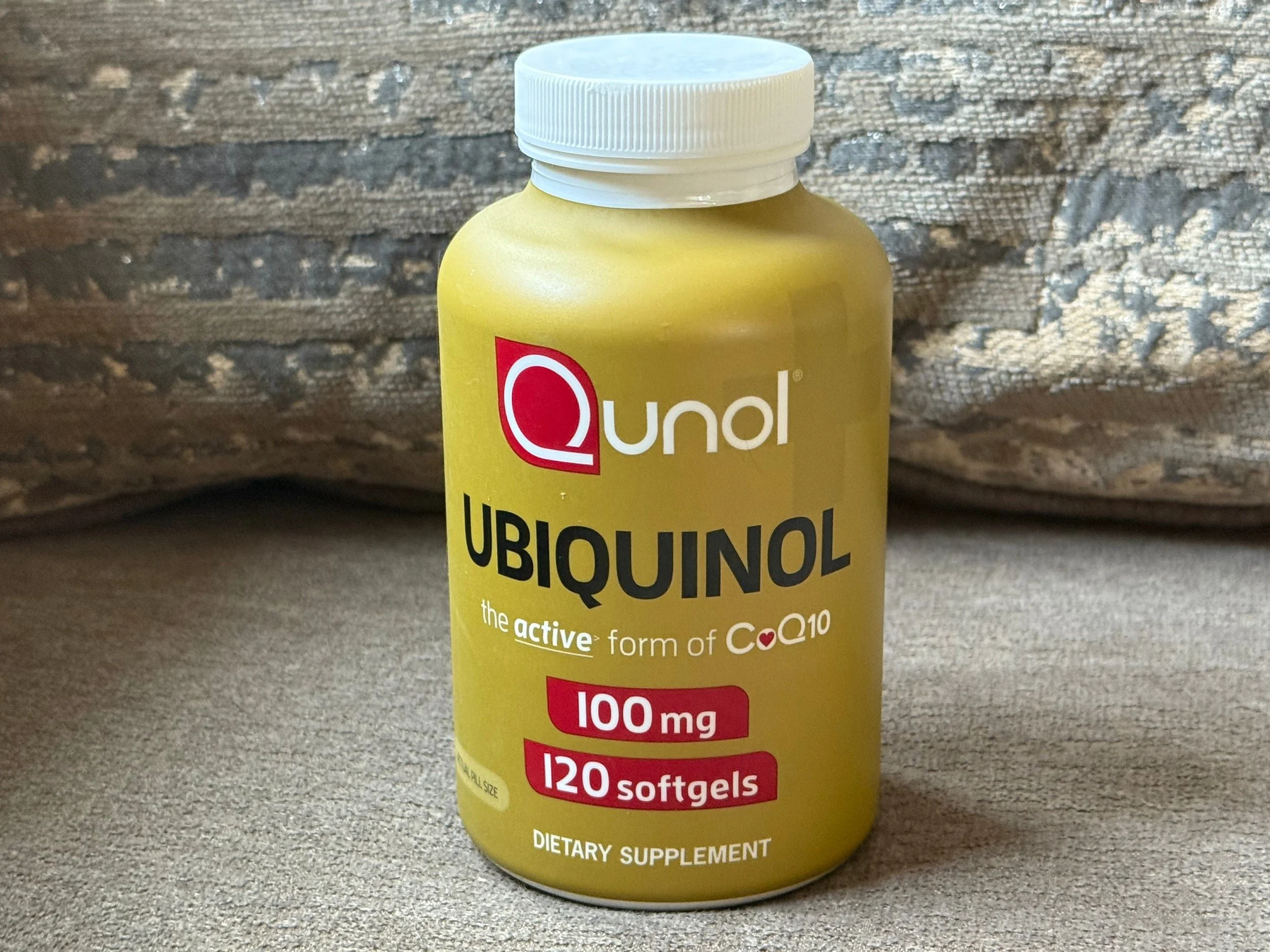
CoQ10 may help support joint health by improving mitochondrial energy production and reducing oxidative stress and inflammation that contribute to tissue aging, stiffness, and impaired recovery.
“CoQ10” is an really the umbrella term. There are two main forms:
Ubiquinone = the oxidized form (traditional CoQ10)
Ubiquinol = the reduced, active antioxidant form
Your body normally converts ubiquinone into ubiquinol as needed. The question is whether that conversion becomes less efficient with age, illness, metabolic dysfunction, or high oxidative stress.
In general:
Younger, healthy people often do just fine with standard ubiquinone CoQ10.
Older adults, people with cardiovascular disease, diabetes, chronic inflammation, statin use, or mitochondrial stress may absorb and utilize ubiquinol better.
The evidence on “better” is mixed, though. Some studies show substantially higher blood levels with ubiquinol, while other reviews conclude the practical difference may not be dramatic for many people.
And one more thing: magnesium status matters too. CoQ10 works in mitochondrial energy production alongside magnesium, so sometimes people blame “low CoQ10” when the bigger issue is broader metabolic dysfunction.
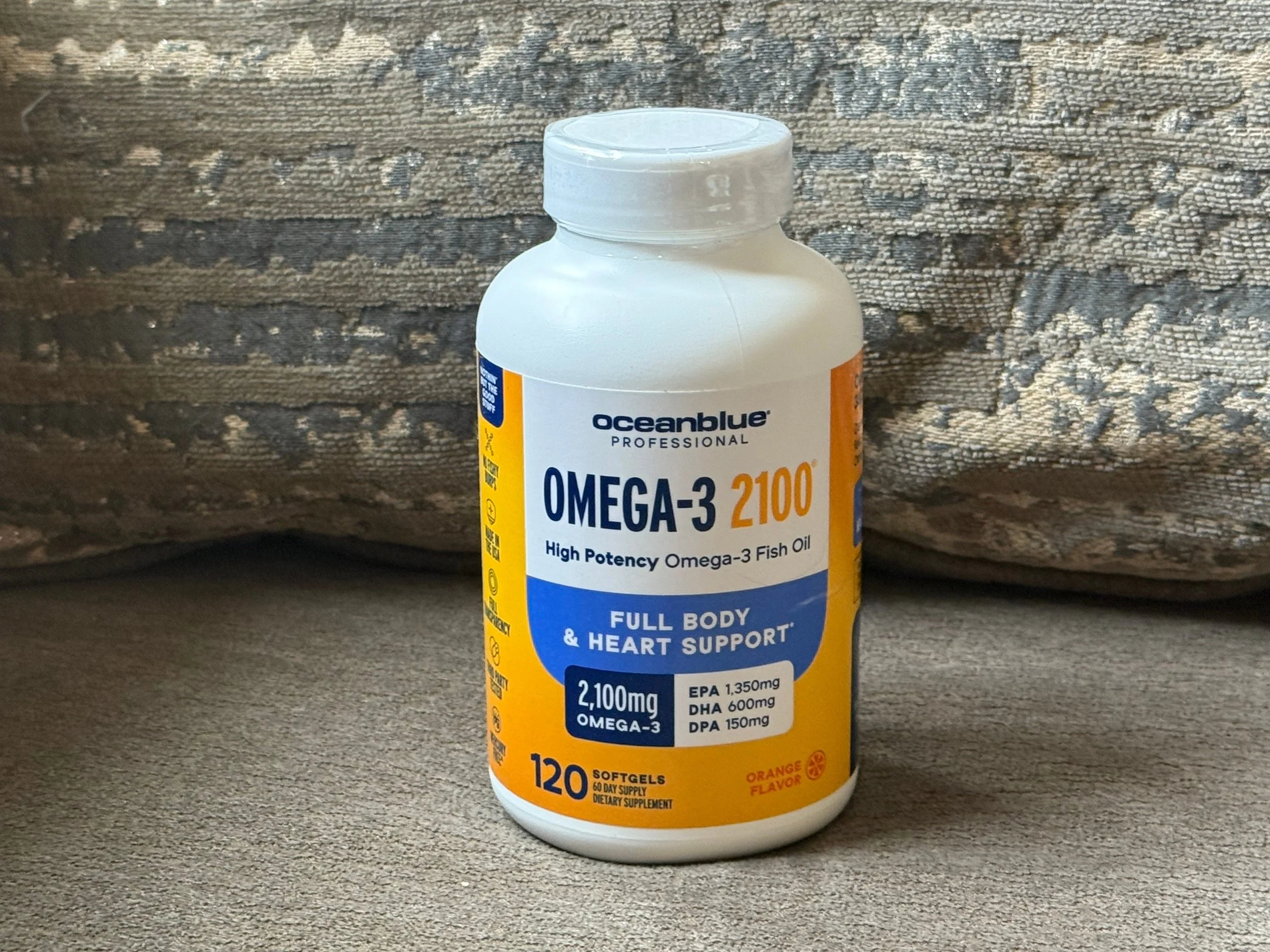
Omega-3 fatty acids are among the most evidence-supported nutritional supplements for helping with joint health and inflammation.
Found primarily in fish oil, omega-3s such as EPA and DHA help regulate inflammatory signaling throughout the body, which may reduce joint stiffness, swelling, and discomfort, particularly in inflammatory conditions like rheumatoid arthritis and, to a lesser extent, osteoarthritis.
Beyond the joints themselves, omega-3s also support cardiovascular health, brain function, and metabolic balance, all of which influence healthy aging and mobility. Modern diets tend to be disproportionately high in omega-6 fats from seed oils and processed foods, which may push the body toward a more inflammatory state. Increasing omega-3 intake can help restore a healthier balance. Many people report improved morning stiffness, recovery, and overall comfort when supplementing consistently. Higher-quality fish oil products that provide meaningful amounts of EPA and DHA are generally preferred over generic low-potency formulations, and taking them with food often improves absorption and tolerance.
Glucosamine is a naturally occurring compound involved in the formation and maintenance of cartilage, and it is commonly used to support joint health, particularly in people with osteoarthritis of the knees or hips. It is thought to help slow cartilage breakdown and may modestly improve stiffness, mobility, and discomfort over time. Research results are mixed, with some studies showing measurable benefit and others showing only limited improvement, but many people report gradual relief after several weeks or months of consistent use. Glucosamine is generally viewed as a structural support supplement for joints rather than a direct anti-inflammatory treatment.
Chondroitin is a naturally occurring component of cartilage that helps provide elasticity, hydration, and shock-absorbing properties within joints. It is commonly paired with glucosamine in joint health supplements because the two compounds are thought to work synergistically to support cartilage structure and reduce its breakdown over time.
Some studies suggest chondroitin may modestly improve pain, stiffness, and joint function in people with osteoarthritis, particularly of the knees, although research results have been mixed and benefits are often gradual rather than dramatic. Chondroitin may also help retain water within cartilage, which contributes to cushioning and resilience during movement. While it is not a cure for advanced arthritis, many people use chondroitin as part of a broader strategy to support connective tissue health alongside adequate protein intake, resistance training, weight management, omega-3 fatty acids, and anti-inflammatory lifestyle measures.
Hyaluronic acid works differently. It is a major component of synovial fluid, the natural lubricant and shock absorber inside healthy joints. As joints age or become arthritic, hyaluronic acid levels can decline, contributing to stiffness and reduced cushioning. Oral hyaluronic acid supplements may help support joint hydration and comfort, although injectable hyaluronic acid used directly into joints tends to have stronger evidence for symptom relief. Together, glucosamine and hyaluronic acid are often used as part of a broader joint health strategy that also includes maintaining muscle mass, reducing chronic inflammation, optimizing metabolic health, and controlling excess body weight.
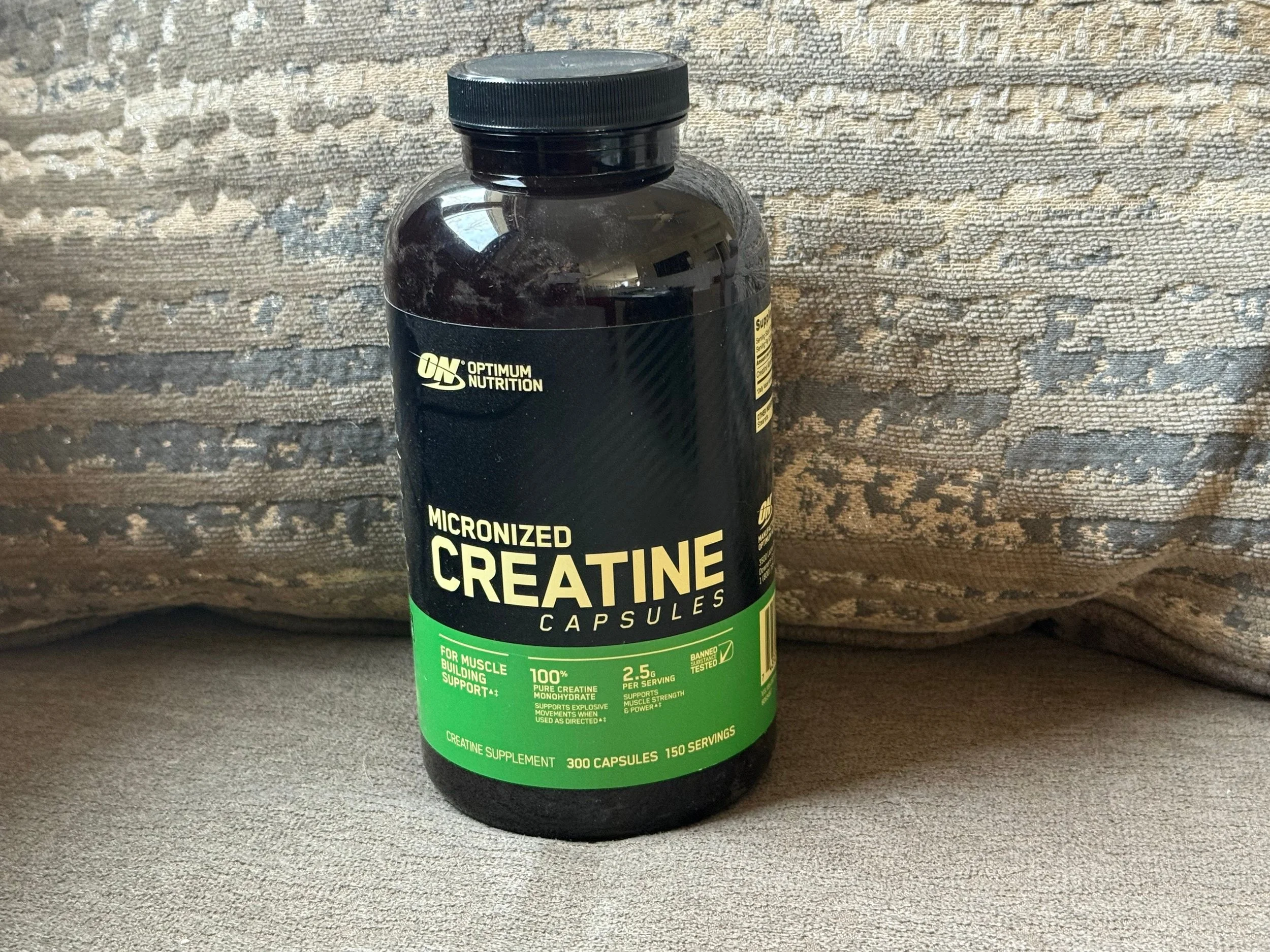
Creatine is usually discussed as a “gym supplement,” but its real value is broader. It supports cellular energy production, muscle maintenance, recovery, and metabolic resilience. All of those affect joints.
Here is the key concept: joints do not function in isolation. Healthy joints depend heavily on healthy muscle, tendon support, balance, and metabolic health.
Creatine helps preserve and build lean muscle mass, particularly as people age. Stronger muscles reduce mechanical stress on knees, hips, ankles, and the spine. In many cases, what people think of as “joint problems” are partly stability and muscle-loss problems.
There is also emerging evidence that creatine may reduce inflammatory signaling and improve recovery after exercise or injury. Some studies suggest benefits for patients with osteoarthritis when combined with resistance training, primarily because they maintain strength and function better. The effect is usually indirect rather than “lubricating the joint” the way people imagine glucosamine might work.
Another overlooked issue is aging. As we get older, mitochondrial energy production declines. Cartilage cells, tendon cells, and muscle tissue all become less resilient. Creatine acts as an energy buffer system for cells under stress. That may be one reason older adults often report less fatigue, better recovery, and improved mobility on creatine supplementation.
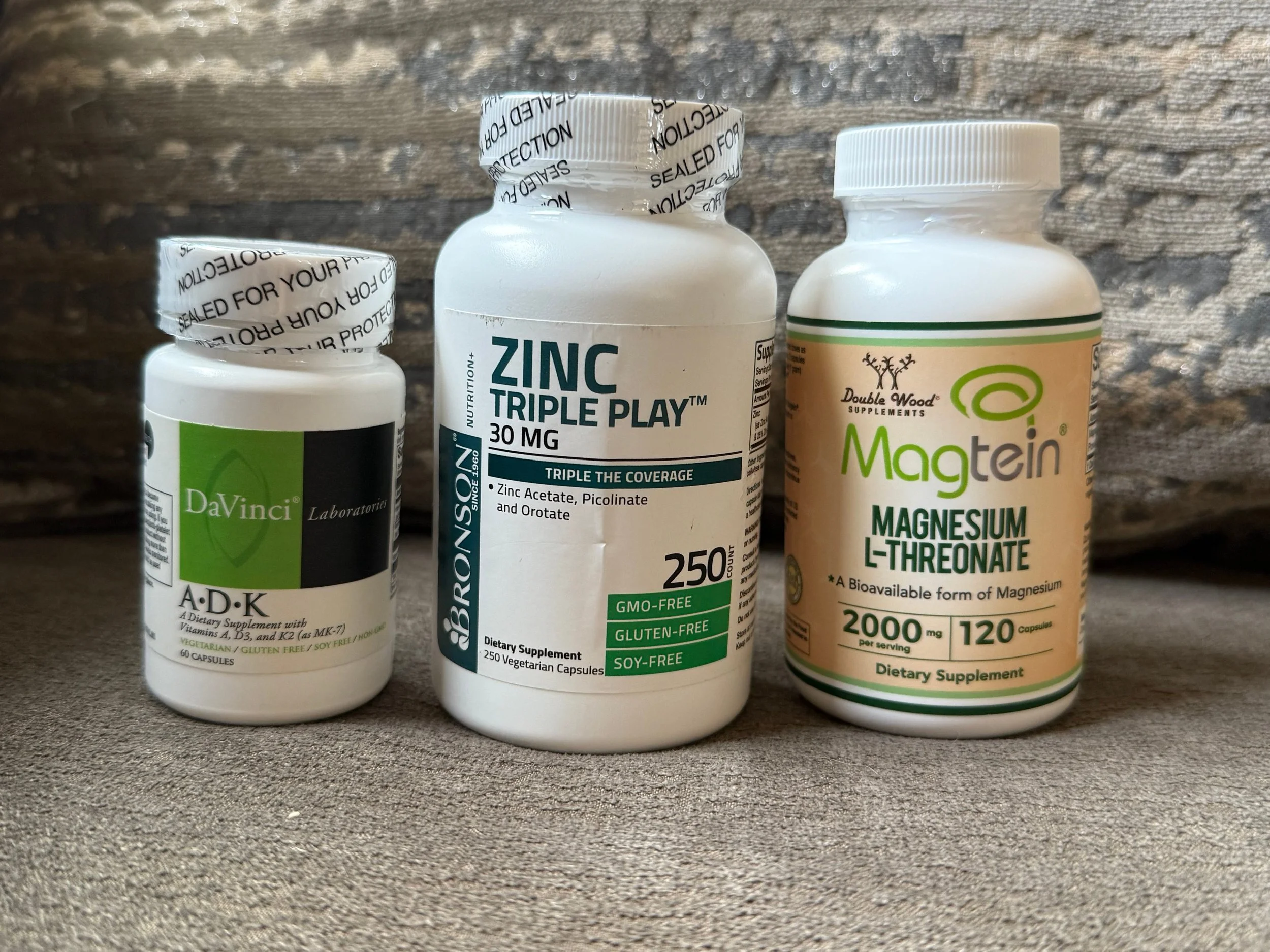
Vitamin D3 has been mentioned already. But as we all should know by now, don’t take it in isolation! Vitamin D3 should be taken in the AM, in conjunction with vitamin A and K, then in the PM - zinc and magnesium should be included, as vitamin D activation requires magnesium-dependent enzymes. I take magnesium L-threonate because it crosses the blood-brain barrier and supposedly has cognitive benefits.
I do get my vitamin D levels tested three times a year, and I keep them between 60-700 ng/ml and below 110 ng/ml. And yes, sunlight still matters- get some!
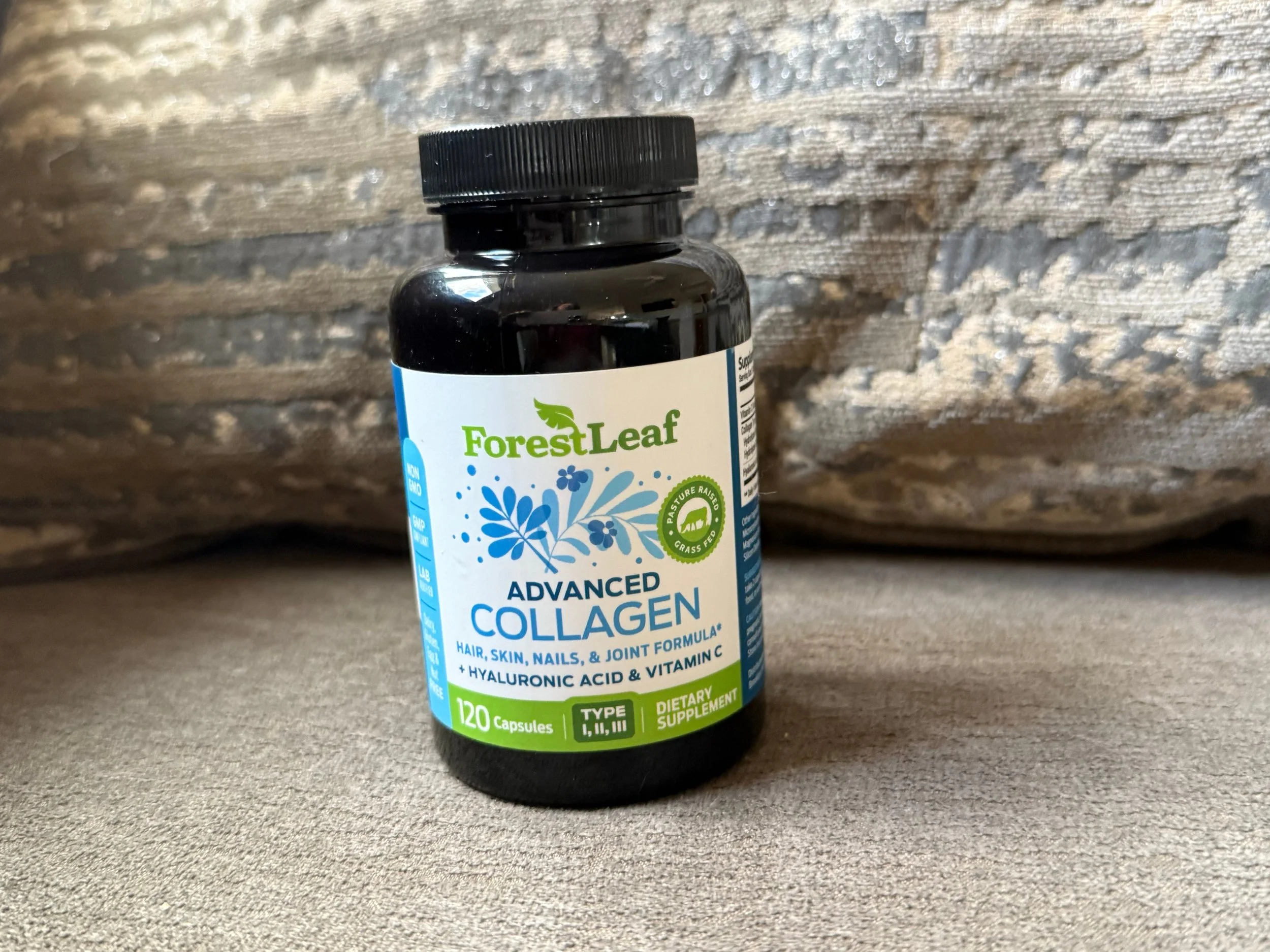
Collagen peptides have become increasingly popular for joint health because collagen is one of the primary structural proteins that makes up cartilage, tendons, ligaments, skin, and connective tissue throughout the body. As we age, natural collagen production declines, contributing to stiffness, reduced tissue resilience, and slower recovery from wear and tear.
Supplementing with collagen peptides may help provide the amino acid building blocks, particularly glycine, proline, and hydroxyproline, needed to support connective tissue maintenance and repair. Some studies suggest collagen peptide supplementation may modestly improve joint discomfort, mobility, and exercise-related joint pain, especially when combined with adequate protein intake, vitamin C, and resistance training. While collagen is not a miracle cure for advanced arthritis, it may help support the structural integrity and resilience of connective tissues as part of a broader healthy-aging and anti-inflammatory lifestyle.
Collagen peptides differ from standard collagen supplements because they have been hydrolyzed into smaller, more easily absorbed amino acid chains that are better able to dissolve, digest, and enter the bloodstream for use in connective tissue repair and maintenance.
Probiotics:
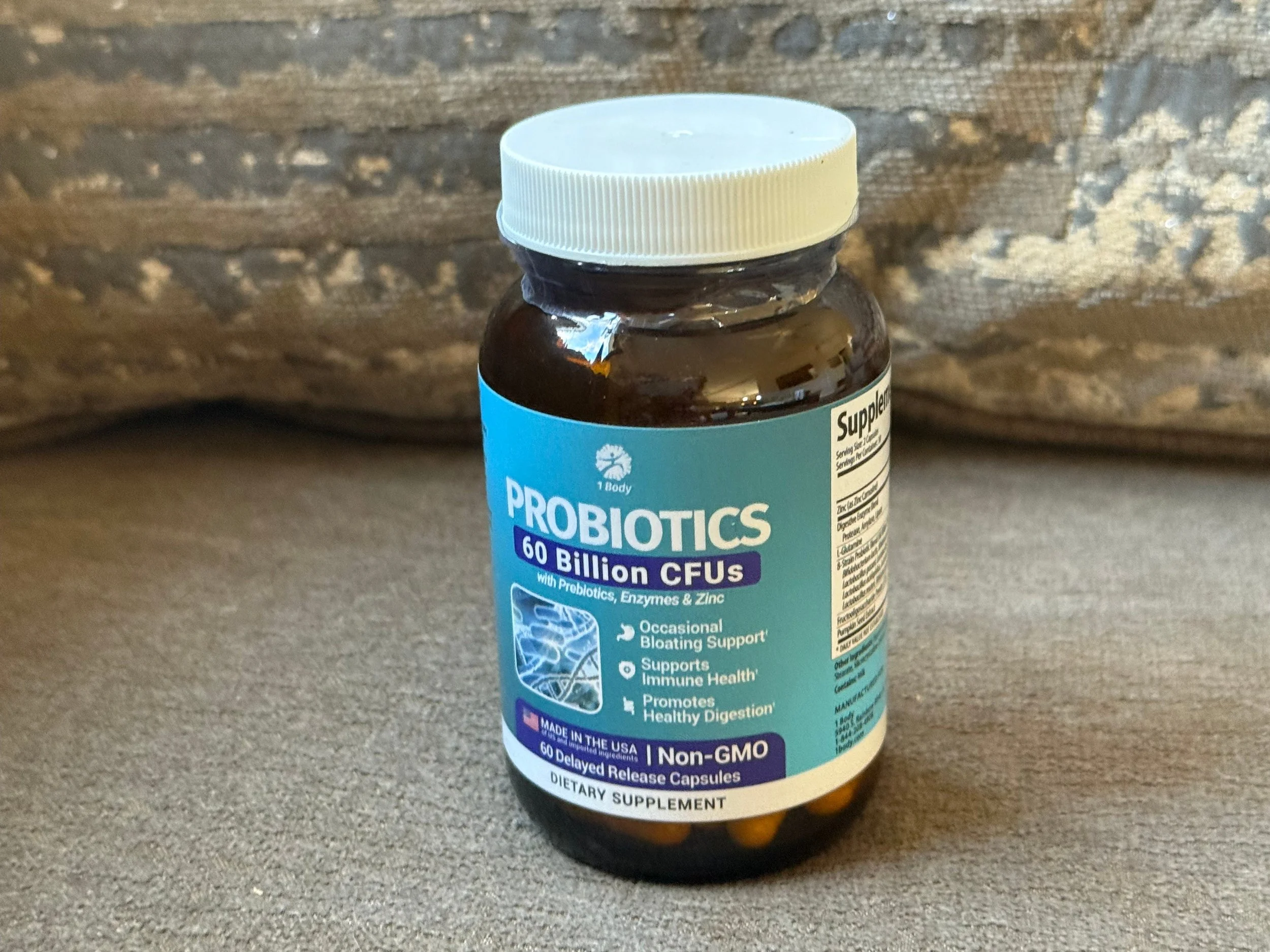
The the gut–immune–inflammation connection is real. Modern sterile food systems have removed much of that microbial diversity, so eating fermented foods is important.
But if you aren’t big on them, and your gut-biome isn’t healthy, a probiotic isn’t a bad idea to improve gut health.
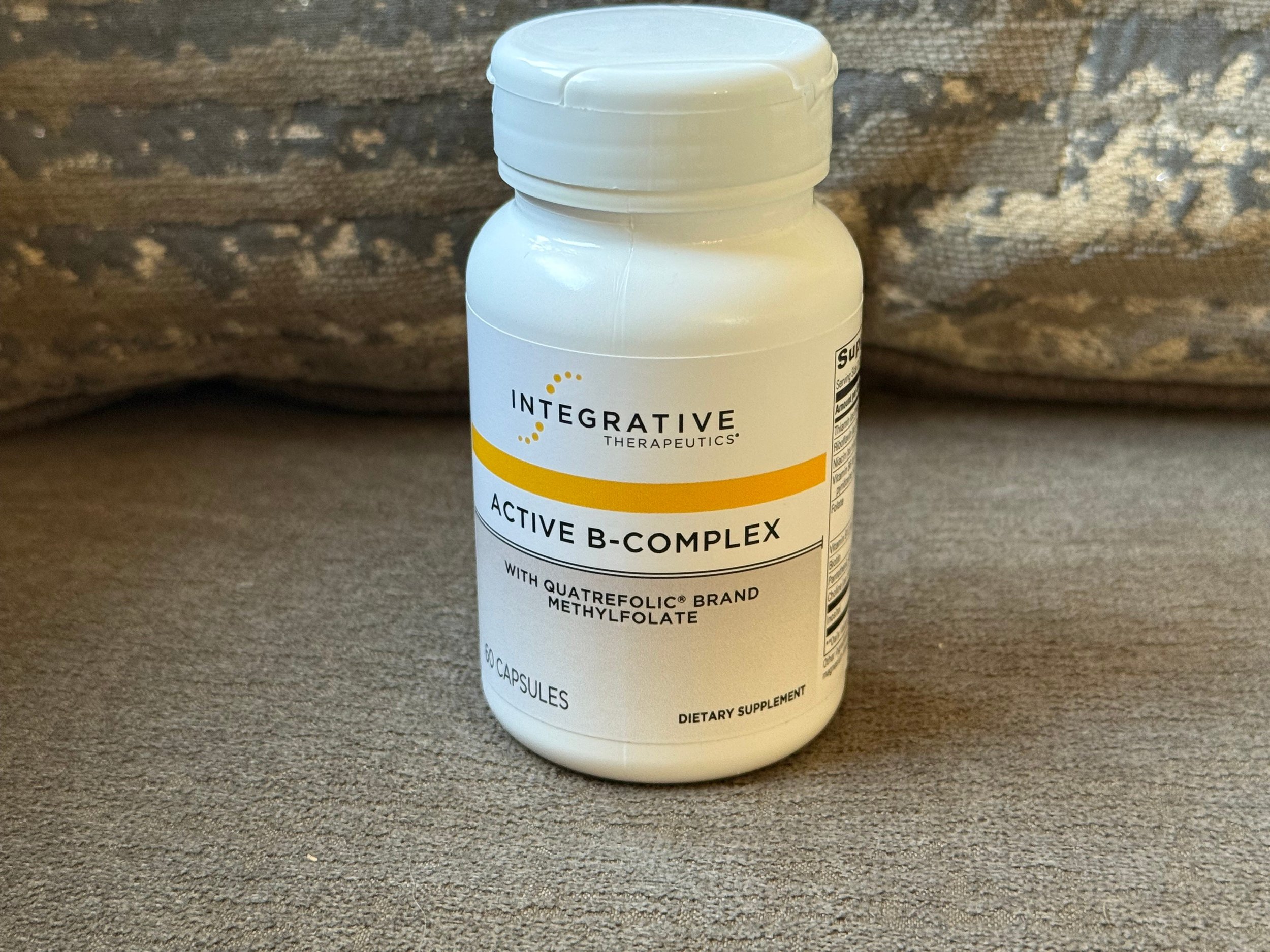
Vitamin B complex may help support joint and musculoskeletal health indirectly by improving cellular energy production, nerve function, tissue repair, and metabolic health. The B vitamins, particularly B1, B6, B12, and folate, play critical roles in mitochondrial function, inflammation regulation, and nervous system health.
In many people, especially those with aging, obesity, diabetes, chronic inflammation, gastrointestinal disorders, or long-term use of medications such as metformin, low B-vitamin status can contribute to fatigue, weakness, poor recovery, neuropathy, and pain that is often mistaken for arthritis or joint disease.
Some studies suggest that combinations of B1, B6, and B12 may help reduce certain chronic pain syndromes and nerve-related pain. While B vitamins are not direct “joint supplements” that rebuild cartilage, they can improve the body’s ability to maintain mobility and recover from stress by supporting the metabolic and neurologic systems that keep muscles, connective tissue, and joints functioning properly.
Compounded peptides are being explored for their potential to support joint repair, recovery, inflammation control, and tissue healing, although the science and regulatory oversight vary considerably depending on the compound.
Peptides, particularly, BPC-157 (ref) and others, such as TB-500 are used for their possible roles in tendon, ligament, muscle, and soft tissue healing, while growth hormone–related peptides may influence recovery and tissue regeneration pathways. Other peptides are being investigated for effects on inflammation, metabolism, muscle preservation, or pain signaling.
However, many of these products are not FDA-approved for joint disease treatment, long-term human safety data are limited, and product quality can vary substantially depending on the compounding pharmacy.
Patients considering peptide therapies should work with knowledgeable physicians and reputable pharmacies, particularly because the marketplace has become flooded with poorly regulated products and exaggerated claims. At present, peptides should generally be viewed as experimental or adjunctive therapies rather than replacements for foundational approaches such as weight management, resistance training, adequate protein intake, metabolic health, and control of chronic inflammation.
The field is evolving rapidly, and other countries have advanced the use of peptides much more quickly than the USA, but at present, peptide therapy for repair and regeneration remains a frontier area that blends legitimate science, experimental medicine, patient demand, and unfortunately, some degree of hype.
Joint health is not simply about aging, and it is certainly not just about “wear and tear.” In many cases, chronic joint pain reflects a much broader metabolic and inflammatory problem unfolding throughout the body. Obesity places enormous mechanical stress on the knees, hips, spine, and ankles with every step, but excess fat tissue also functions as an inflammatory organ, releasing cytokines and metabolic signals that accelerate tissue breakdown and impair healing.
At the same time, loss of muscle mass, poor nutrition, sedentary lifestyles, mitochondrial dysfunction, insulin resistance, and chronic inflammation all combine to weaken the body’s ability to maintain and repair connective tissue over time. This is why preserving mobility requires a whole-body approach rather than a search for a single miracle supplement.
The encouraging news is that many of these factors are modifiable. Resistance training helps preserve muscle and stabilize joints. Adequate protein intake supports connective tissue repair and prevents sarcopenia. Omega-3 fatty acids, vitamin D3, B vitamins, probiotics, collagen peptides, glucosamine, chondroitin, CoQ10, and other targeted nutrients may help support recovery, reduce inflammation, and improve resilience, particularly when deficiencies or metabolic dysfunction are present.
Even emerging therapies such as regenerative peptides are being explored as additional tools for tissue repair.
But no supplement can fully compensate for the foundational importance of maintaining a healthy body weight, staying physically active, preserving muscle mass, and reducing chronic systemic inflammation. The body was designed to move, adapt, and heal. Supporting those natural processes may not stop aging, but it can dramatically improve strength, mobility, and quality of life for years to come.
JGM